
Dear colleagues,
Welcome to the website of the NUM RAPID project at the Mainz location. Please find attached information about our project.
Overall project lead:
Falk von Dincklage
Deputy Director
Department of Anaesthesia, Intensive Care,
Emergency Medicine and Pain Management
Greifswald University Hospital
Nora Bruns
Senior Consultant in Paediatric Intensive Care,
Department of Paediatrics I
Essen University Hospital (AöR)
Contact: num-rapid@med.uni-greifswald.de
Contact person at the Mainz registry office:
Michael S. Urschitz
Medical and scientific director
Division of Paediatric Epidemiology
Institute of Medical Biometry, Epidemiology and Informatics
University Medical Centre of Johannes Gutenberg-University Mainz
Thomas Ziegler
Technical and administrative director
Division of Medical Documentation
Institute for Medical Biometry, Epidemiology and Informatics
University Medical Centre of Johannes Gutenberg-University Mainz
Contact: num-rapid@uni-mainz.de
Summary:
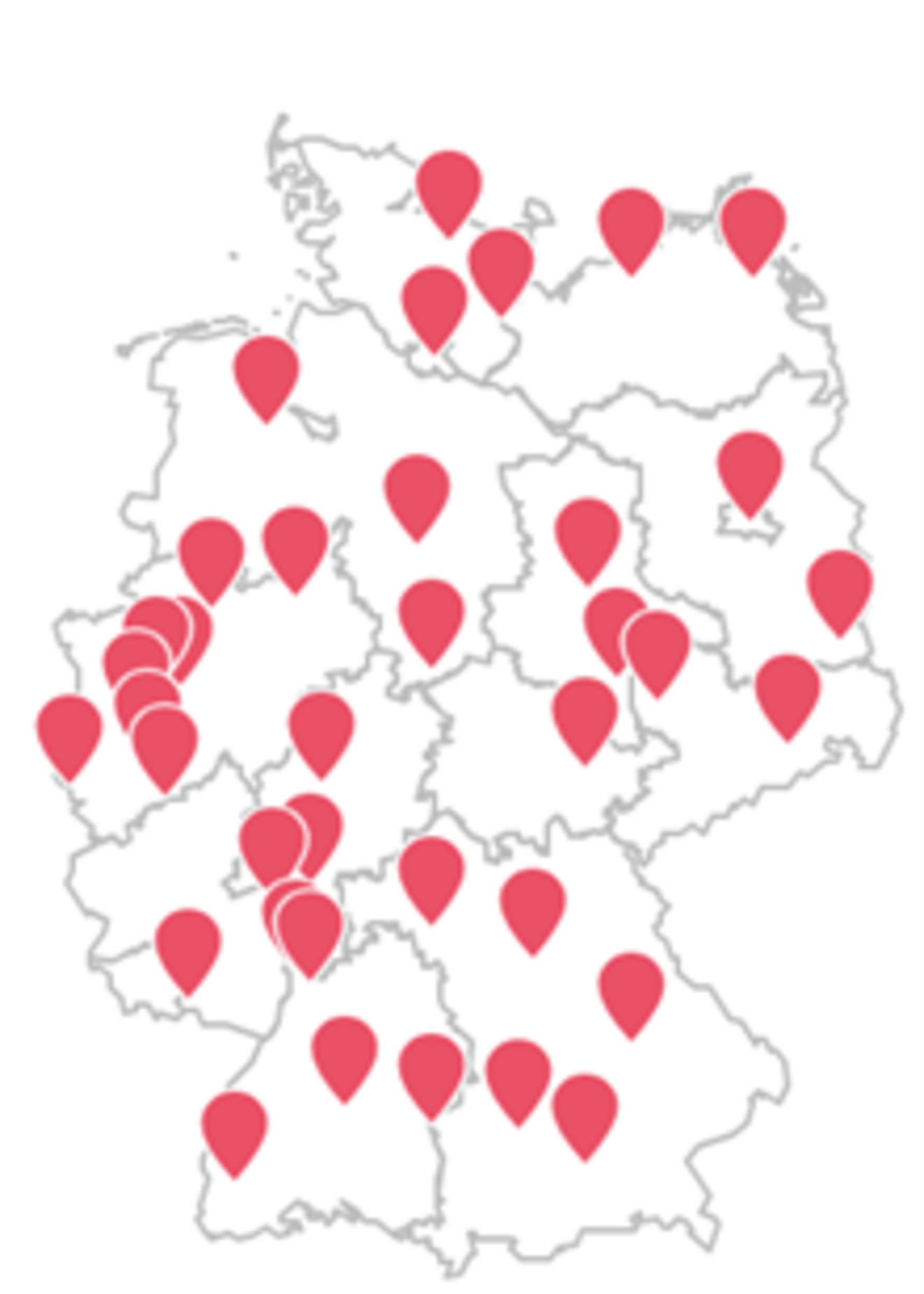
RAPID (Registry of Adult and Paediatric Intensive Care Data) is a decentralised, federated registry for routine intensive care data from adult and paediatric intensive care units in Germany. Data collection takes place automatically via digital interfaces directly from the intensive care information systems at the participating locations. Unlike traditional, centralised registries, the data in RAPID remains locally at the individual sites. Research inquiries are distributed to the local sites and analysed there automatically. In that way, only the aggregated results required for a specific research question are shared. This approach enables highly granular data utilisation whilst complying with data protection and data minimisation requirements. RAPID thus lays the foundation for multicentre clinical research in intensive care medicine, health services research, quality comparisons and improved pandemic and crisis preparedness.
Duration: February,1st 2026– December, 31st 2028
Project objectives:
- Establishment of a decentralised, federated intensive care register.
- Automated, comprehensive collection of routine intensive care data from intensive care information systems.
- Enabling multicentre clinical, epidemiological and health system-related research.
- Investigating the correlation between quality indicators and patient outcomes.
- Establishing benchmarking across locations to support quality improvement processes.
- Providing data for pandemic and crisis preparedness.